sles@jiahengyuanchem.com
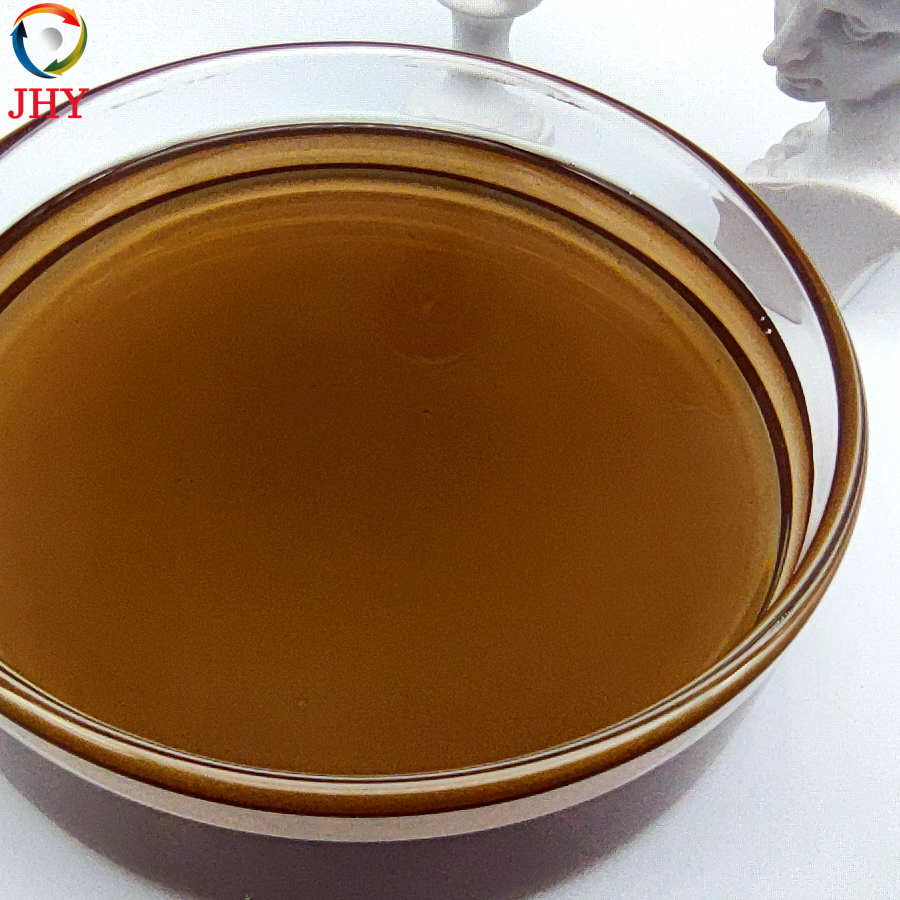
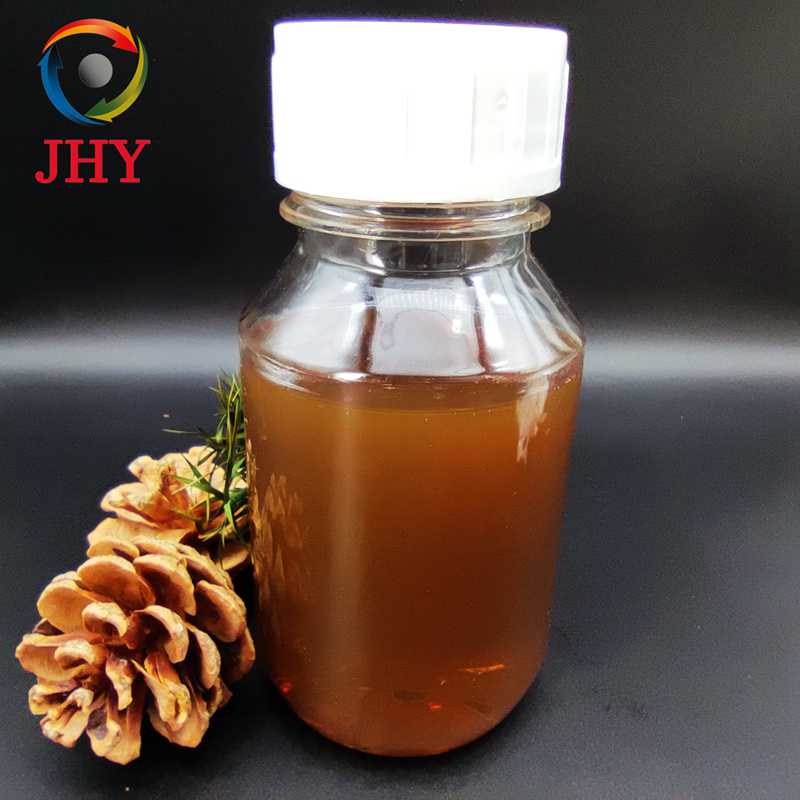
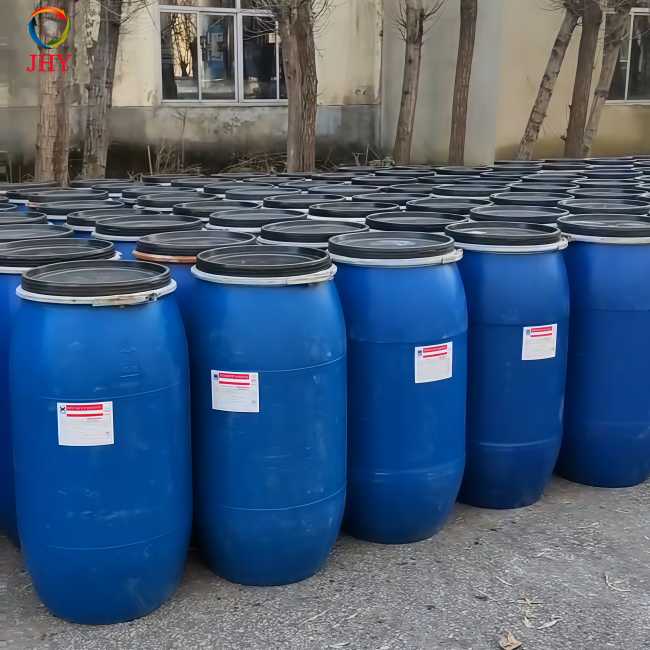
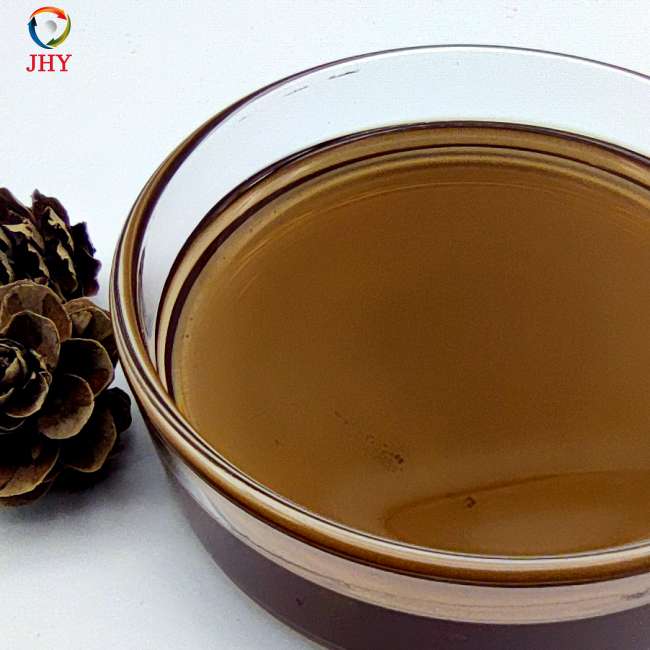
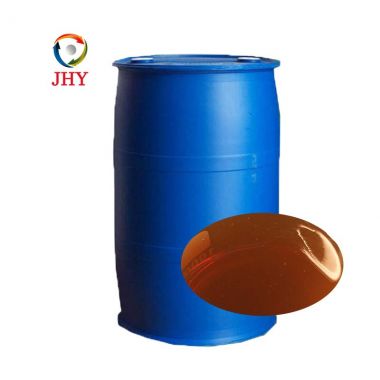
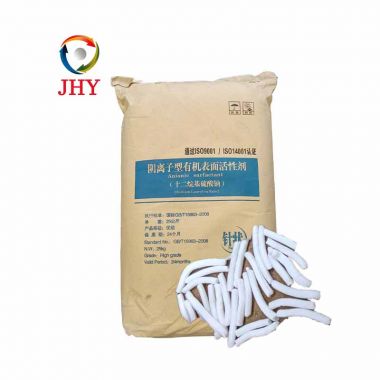
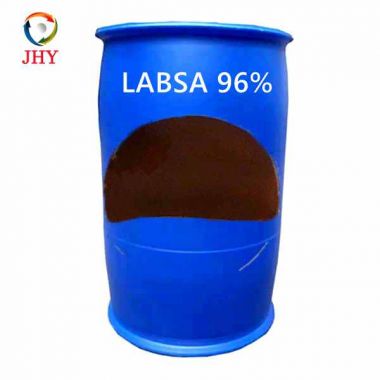
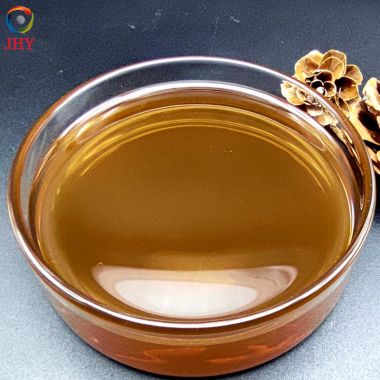
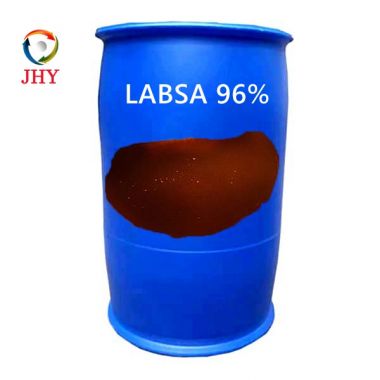
LABSA 96%: A versatile acid for industrial cleaning and synthesis
Despite its technical name (Linear Alkylbenzene Sulfonic Acid 96%), this acid is a true powerhouse in the chemical industry! Why? Because it boasts several impressive capabilities:
High Solvency: It's quite sociable in water, with decent solubility, making it easy to work with.
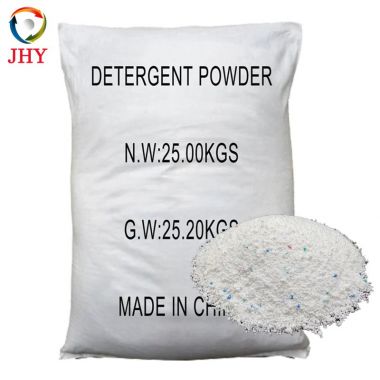
Excellent Stain Remover: Detergent performance? That's its real strength! It's incredibly effective against grease and dirt, leaving it a clean, even clean surface.
Controlled Foam: It foams well when needed, creating a pleasant sensation, but not the kind of unstoppable foam.
Interesting: Its compatibility is also worry-free, working well with many other ingredients without breaking a sweat.
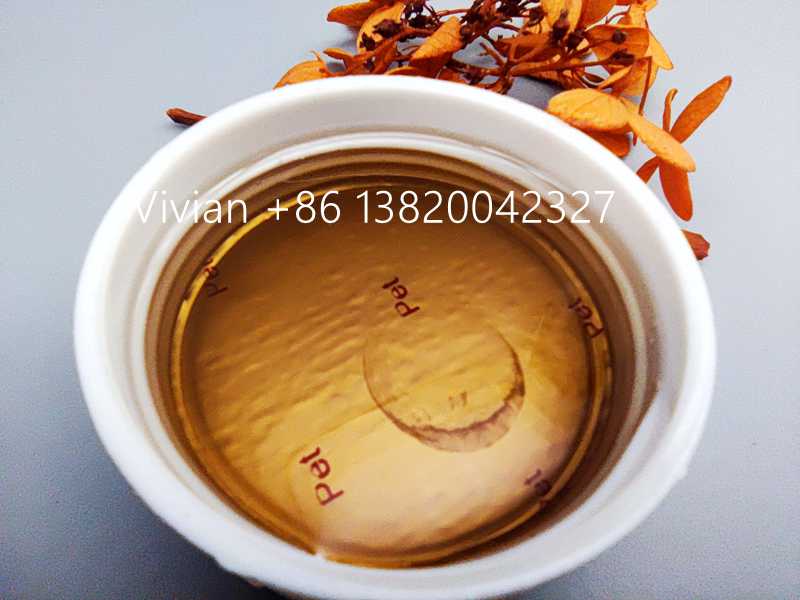
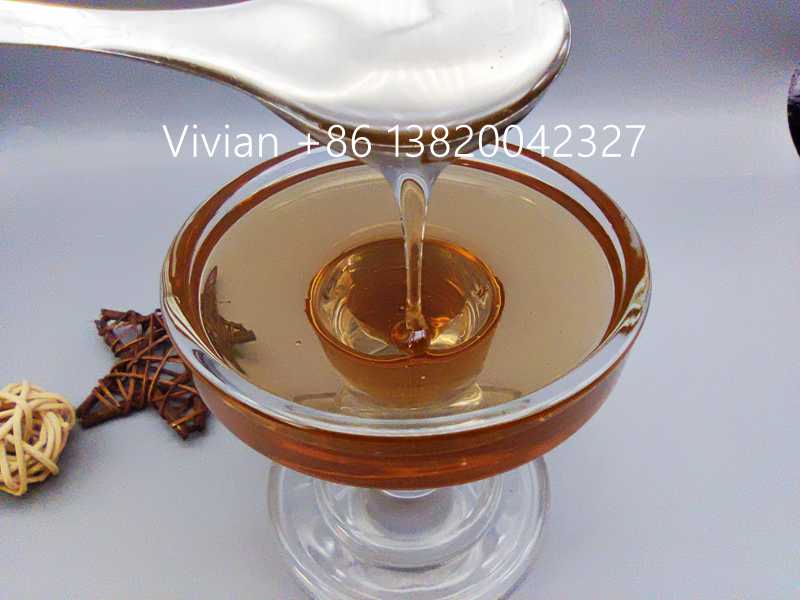
So, what can it do? It has a lot of uses!
A great helper in fine chemicals: It's perfectly suited as an analytical reagent and is useful in the laboratory. It can also be used as a preservative, bleach, and even a reducing agent.
The "backbone" is crucial: Simply put, it belongs to the sulfonic acid family (general formula R-SO₃H, where R is primarily an alkyl chain). This sulfonic acid group (-SO₃H) is a tough nut to crack—it's both highly acidic and very hydrophilic, which is why LABSA 96% is inherently highly water-soluble and exhibits outstanding acidity.
A "stepping stone" for chemical synthesis: The sulfonic acid group (especially in aromatic variants) is particularly interesting and can be replaced by other groups (such as hydroxyl (-OH) and cyano (-CN). This makes it a key intermediate in the production of important chemical raw materials such as phenol and nitriles! How is it produced? The most common method is the sulfonation of alkylbenzenes.
LABSA 96%'s relatives, such as methanesulfonic acid, are often used as catalysts for reactions such as esterification, hydrolysis, and alkylation.
Tianjin Jiahengyuan Chemicals Co.,Limited
Add:NO.1023, 10F, BLDG B, JUNJING SQUARE, HANGYUN 1ST ROAD, TEDA, TIANJIN, CHINA
Tel:+86-22-66863746 Fax:+86-66863746-608
Mobile Phone:+86-18812757064
E-mail: sles@jiahengyuanchem.com