sles@jiahengyuanchem.com
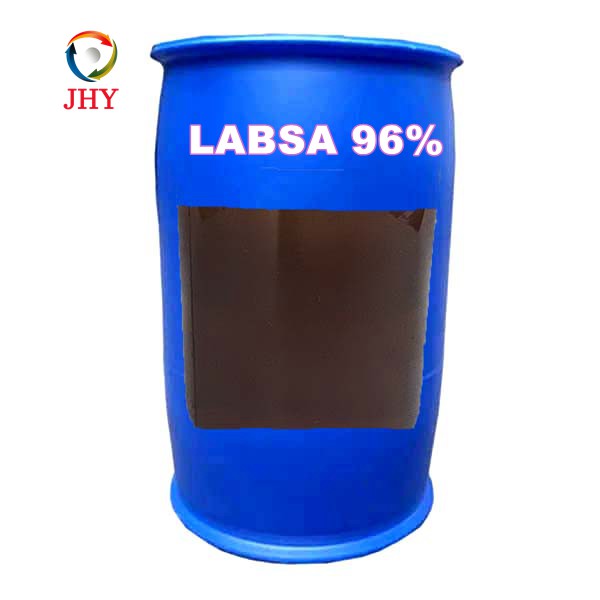
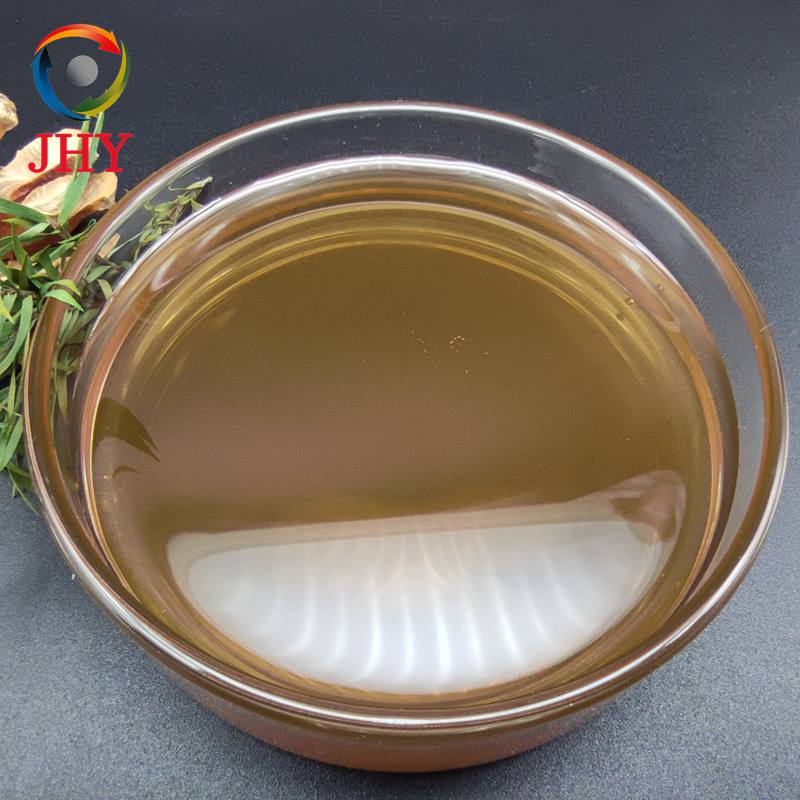
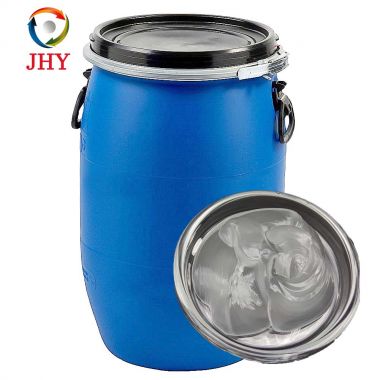
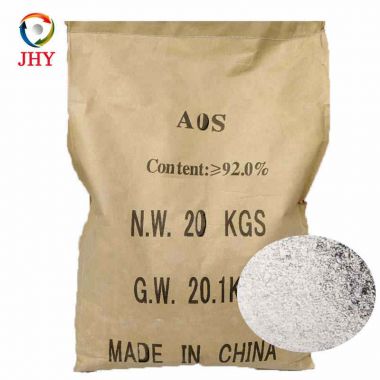
Linear alkyl benzene sulfonic acid is a kind of surfactant, belonging to a sulfonate compound. It is a compound prepared by adding linear alkyl groups to benzene sulfonic acid molecules.
The properties and effects of linear alkyl benzene sulfonic acid usually depend on the length of the alkyl chain, as the different lengths of the alkyl chain affect its surface activity and emulsification properties in aqueous solutions.
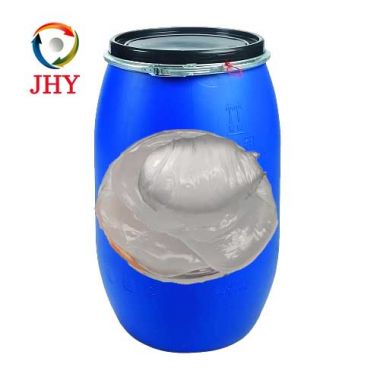
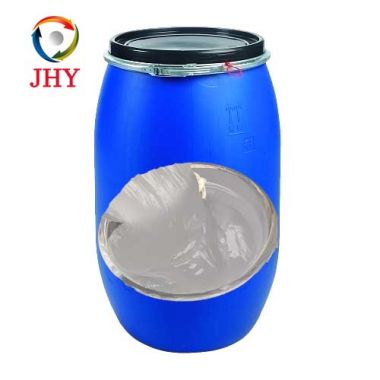
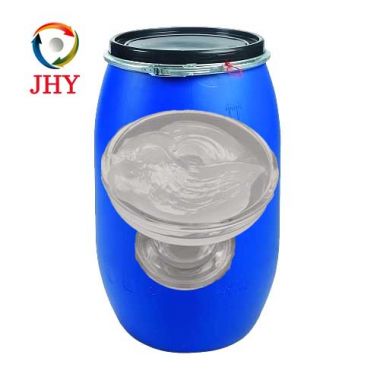
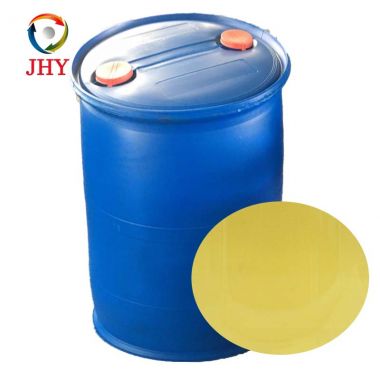
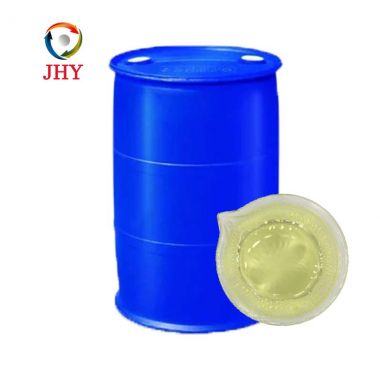
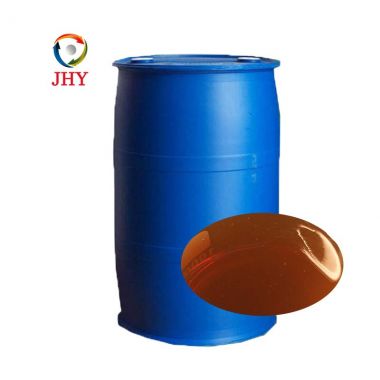
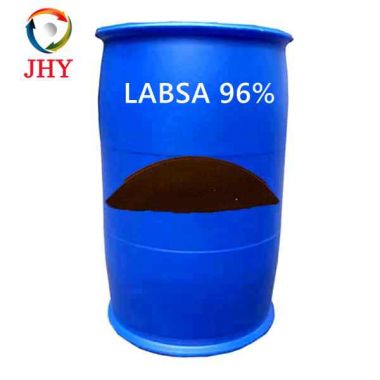
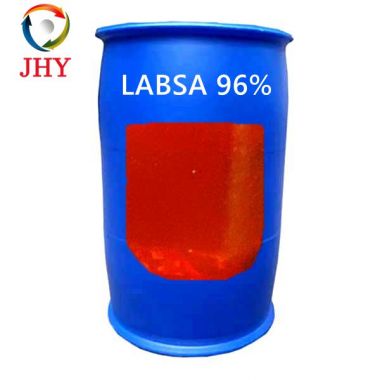
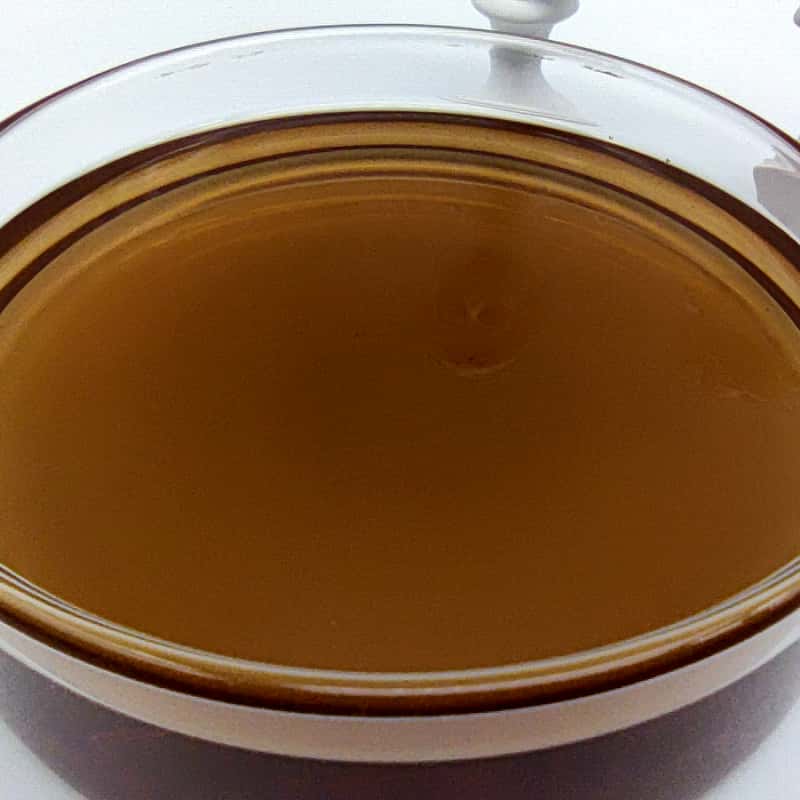
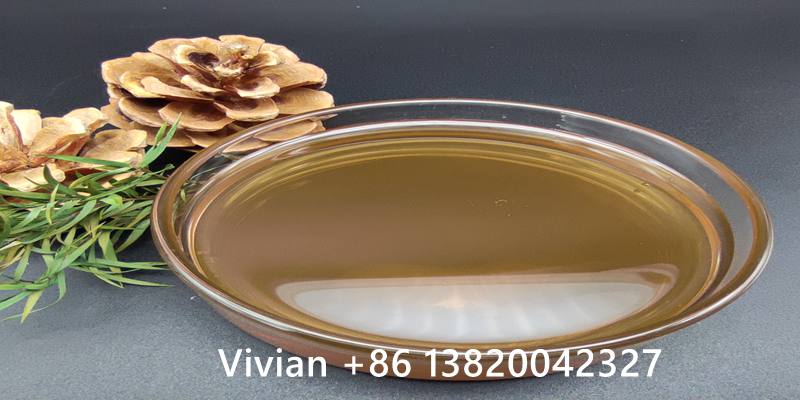
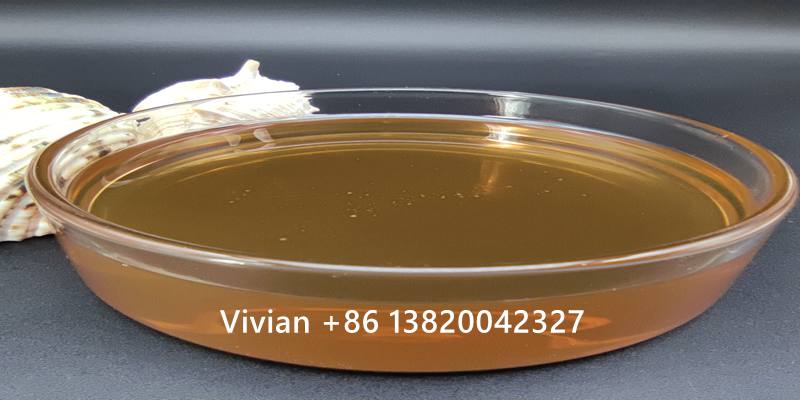
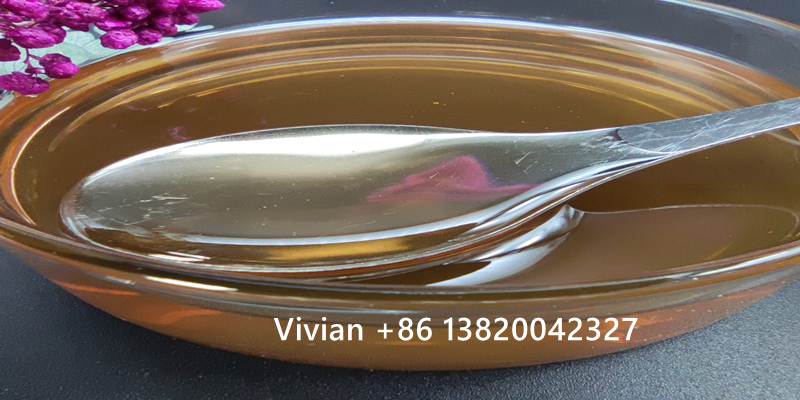
Linear alkyl benzene sulfonic acid is a brown liquid, linear chain alkyl benzene sulfonic acid is widely used in daily chemical washing, textile additives, industrial cleaning, printing and dyeing, electroplating, leather and paper industry, etc., of which the surfactant field market application accounted for more than 95%.
Labsa also has strong applications in the oil industry. Customized solutions
Scenario 3: Shale oil horizontal well volume fracturing
[Acid response temporary plugging diversion agent]
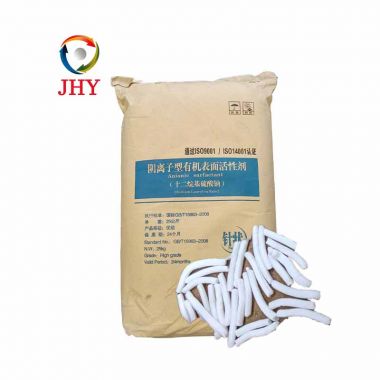
LABSA 96% (12%) encapsulated quartz sand (40/70 mesh)
→ Acidic environment forms a hydrophobic film (contact angle>130°), temporarily plugging cracks that have been opened
→ Steering pressure increased by 8.3MPa, and the seam network complexity index ↑2.1 times
V. Sustainability breakthrough: win-win for environmental protection and benefits
Green closed loop:
Regeneration of return fluid with alkali → precipitation of sulfonate → acid hydrolysis to recover LABSA → reuse rate>85%
Carbon emission advantages:
Compared with traditional active agents, 3 processes are reduced → Single well carbon emission reduction is 14.7 tons of CO₂ equivalent
Safety control:
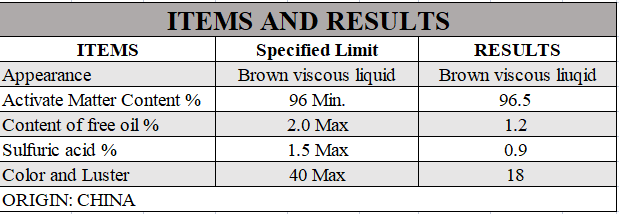
Unique passivation process makes LABSA 96% transportation and storage corrosion rate <0.02mm/a (national standard ≤0.1mm/a)
Why choose our LABSA 96%?
1. Geological adaptability: Alkyl chain distribution (C₁₂-C₁₄≥95%) is molecularly designed to match unconventional reservoir temperatures (60-150°C)
2. Process exclusivity: Gradient acid control technology ensures precise underground response
3. Economic guarantee: The cost of a single cubic meter of fracturing fluid is reduced by $1.7, and the input-output ratio reaches 1:8.3
Tianjin Jiahengyuan Chemicals Co.,Limited
Add:NO.1023, 10F, BLDG B, JUNJING SQUARE, HANGYUN 1ST ROAD, TEDA, TIANJIN, CHINA
Tel:+86-22-66863746 Fax:+86-66863746-608
Mobile Phone:+86-18812757064
E-mail: sles@jiahengyuanchem.com