Sodium Lauryl Sulfate
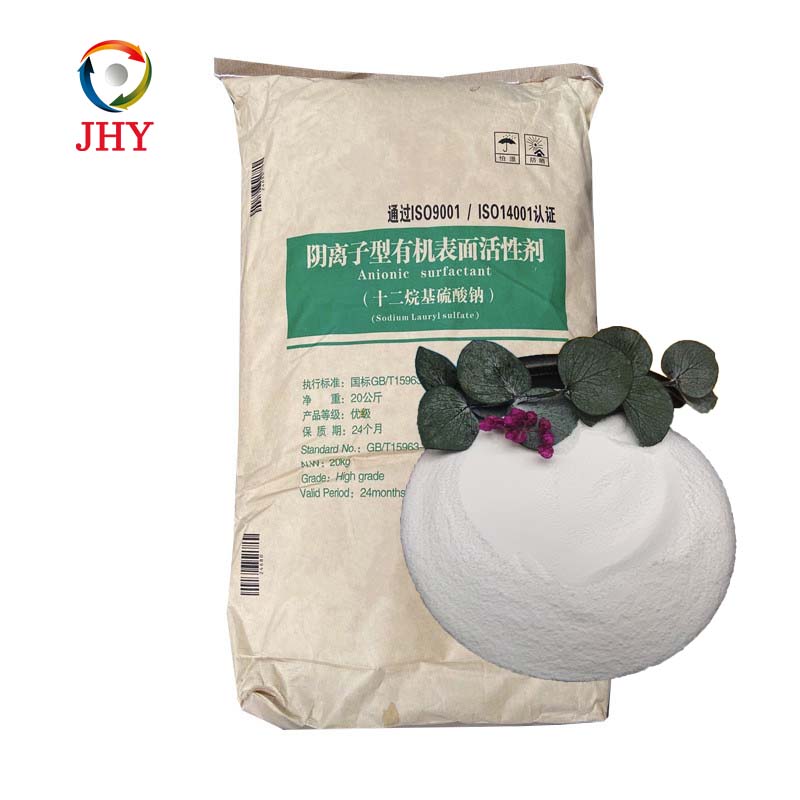
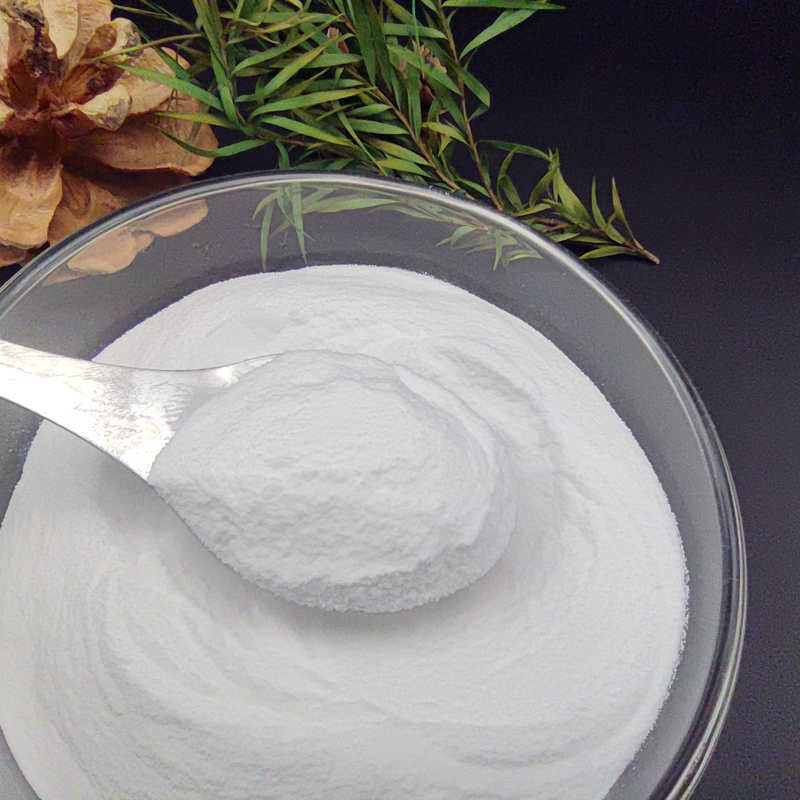
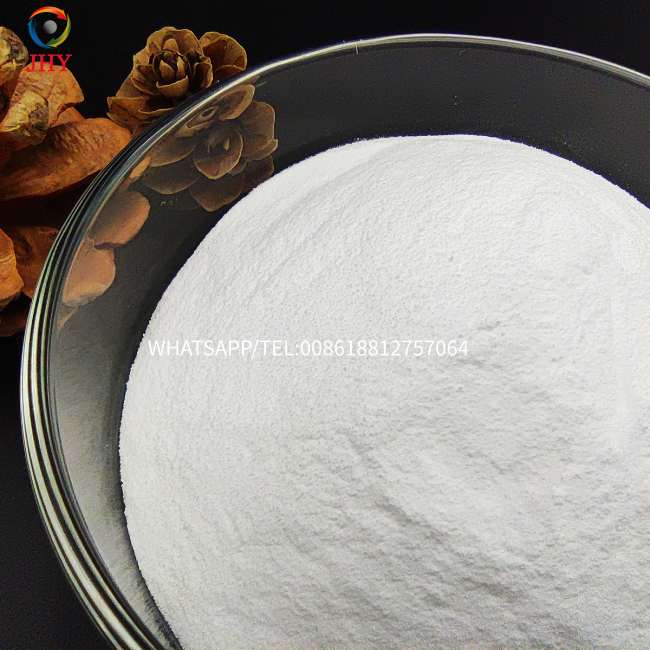
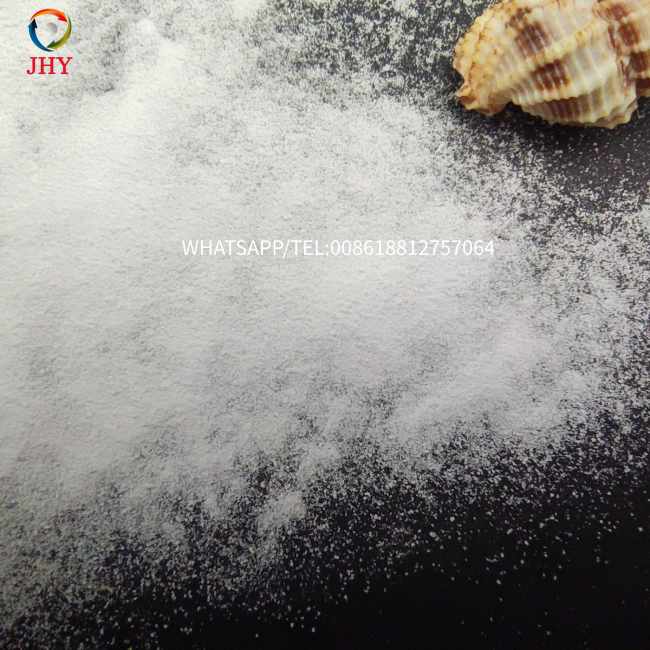
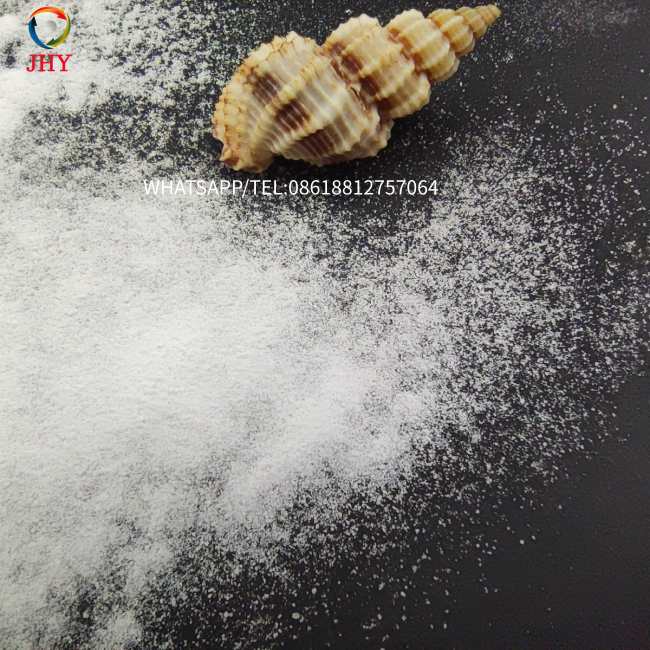
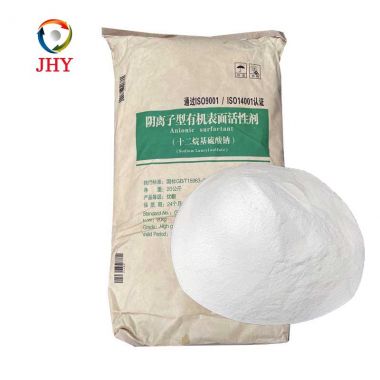
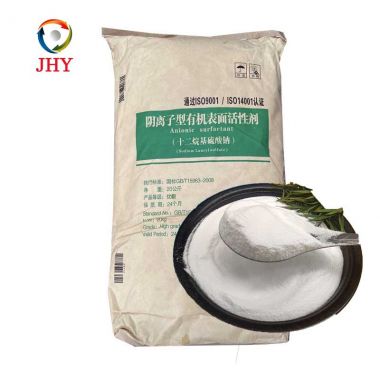
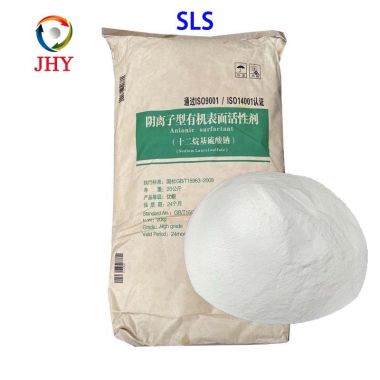
Sodium Lauryl Sulfate reference image:
Sodium lauryl sulfate (sls powder) is an inescapable familiar face in our everyday chemical industry. You might not have paid much attention to it, but it's likely in your shampoo, toothpaste, and even your kitchen detergent. Simply put, it's a powerful, foaming surfactant. Many formulators rely on it as a base, and once they get used to it, they rarely want to switch.
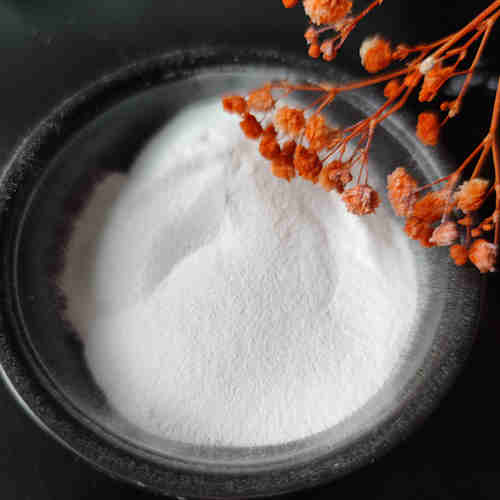
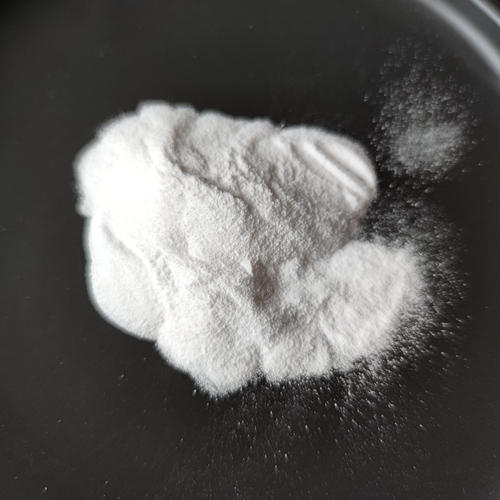
Initially, it was used for its high foaming properties—the kind of dense, dense foam consumers love, and it feels like a cleansing experience. It's also quite flexible, unaffected by pH levels. Even hard water doesn't significantly reduce its cleaning effectiveness. With so many people now concerned about environmental protection, sls powder meets these standards and naturally degrades, thus not adding much to the environment.
In terms of its application, sls powder is truly unassuming. It plays a role in personal care products like shower gel, shaving cream, and shampoo, as well as household laundry detergents and floor cleaners. It's even more widespread—industrially treating textiles or helping certain tablets dissolve more quickly. Some labs also use it for micelle and interfacial behavior research, which is quite useful.
As for the production process, we generally follow the SO₃ vapor-phase sulfation route. Basically, lauryl alcohol is slowly introduced into the reaction zone, where it reacts with gaseous SO₃ under controlled temperature and pressure. The reaction is then cooled and aged for a period of time, and finally, an alkali is used to convert the product into a neutral liquid. If a powdered raw material is desired, an additional step, spray drying, is all that's needed. While it sounds like a lot of steps, the process is actually quite mature, well-controlled, and produces very consistent quality.
If you haven't tried it yet, or if you're having trouble using it, it might be worth a refresher. Many longtime customers report that once they get used to it, not only do costs become manageable, but the overall formula stability also improves. Some things truly remain classics for a reason.