sles@jiahengyuanchem.com
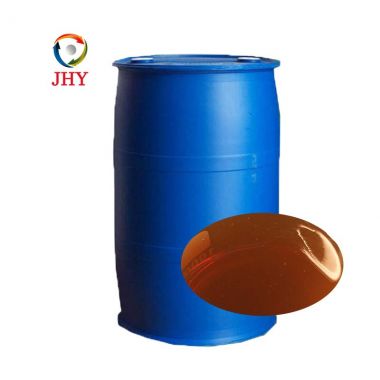
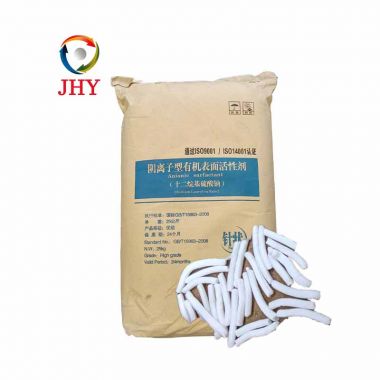
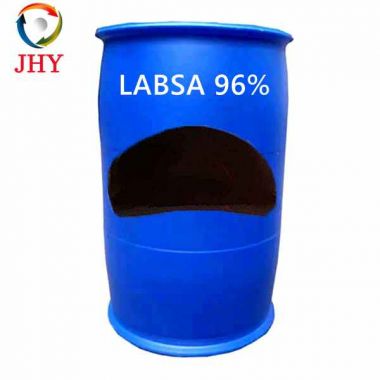
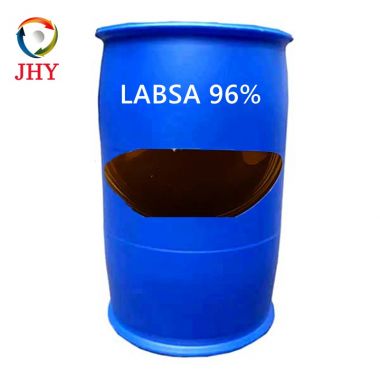
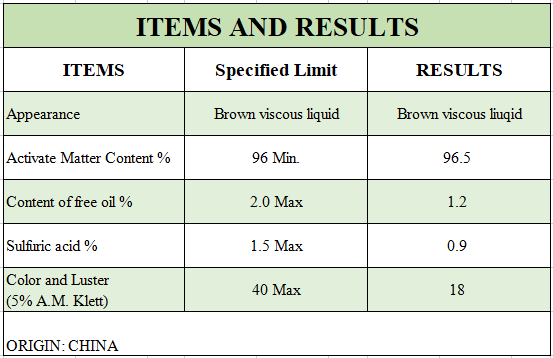
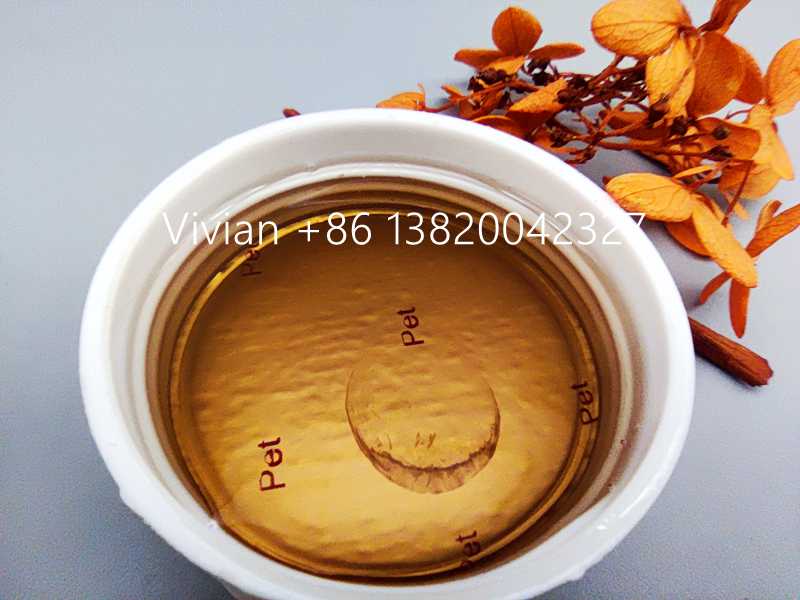
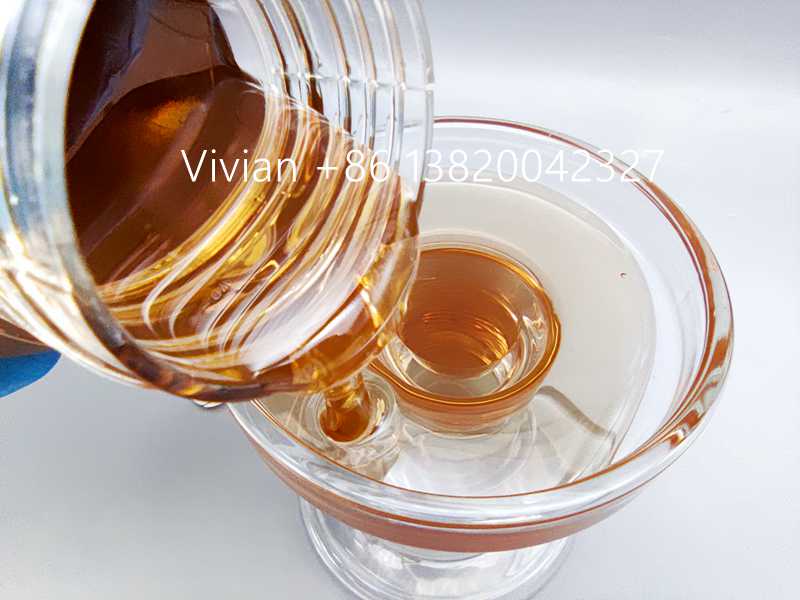
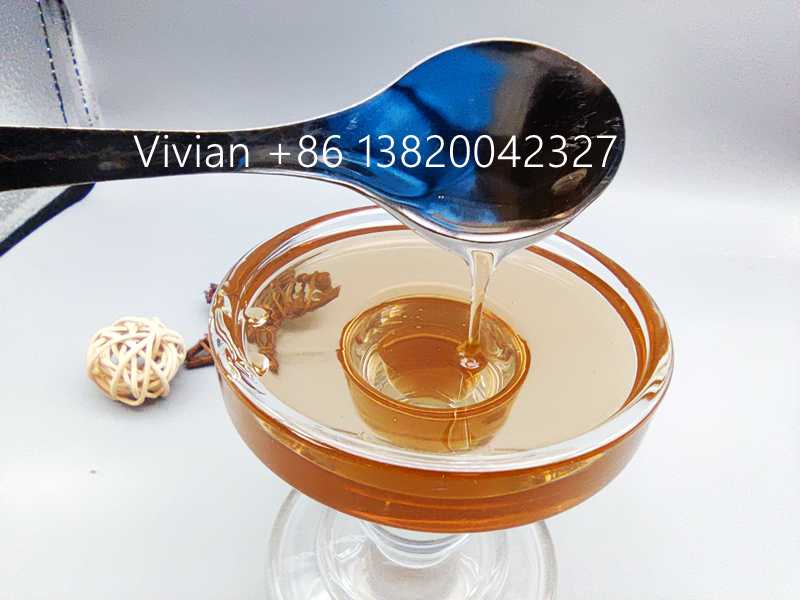
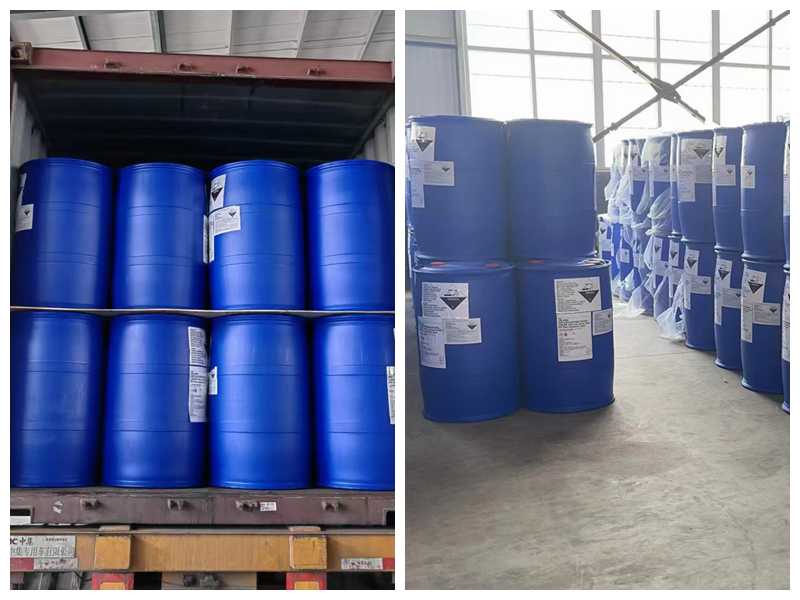
LABSA 96% activates the value of unconventional oil and gas reservoirs
Are you facing these challenges?
The shale gas fracturing fluid has a low flowback rate (<50%), the heavy oil emulsification viscosity reduction effect is poor, and the water injection pressure of high-salinity reservoirs has soared
The conventional solution faces defects such as the failure of surfactant adsorption of clay, alkaline oil displacement agent causing scaling, and sulfate scale blocking the near-well zone.
LABSA 96% can solve it for you: acidic micelles (pH=3.2) lock the clay layer, and the anti-swelling rate ↑82%; pH triggers oil-in-water → water-in-oil reversal (viscosity ↓96%); in-situ generation of nano calcium sulfonate to dissolve scale (permeability repair rate 89%).
LABSA 96% achieves breakthrough in core technology of "geological condition adaptation" mining
1. Fracturing anti-swelling shield
→ Form +38mV positively charged micelles to neutralize negative charge of clay (swelling rate ↓ to 4.1%)
→ Compared with quaternary ammonium salt anti-swelling agents, the cost is reduced by 57% and there is no biological toxicity
2. Self-degradation diversion engine
→ LABSA 96% generates nano-scale iron sulfonate filter cake with formation Fe³⁺ (conductivity retention rate 85%)
→ Automatically decomposes when encountering neutral groundwater, and fracture conductivity recovery rate is >92%
3. Emulsification-demulsification dual-state switching
→ Viscosity reduction and recovery are synergistically improved to prevent emulsion from being retained in the formation
Customized solutions
Scenario 1: Ultra-low permeability tight oil reservoir (permeability <0.1mD)
[Intelligent nano oil displacement agent]
LABSA 96% (10%) + cyclohexanone (5%) + ammonium molybdate (0.3%)
→ Generate 20-50nm molybdenum sulfonate particles, reduce oil-rock interfacial tension to 0.08mN/m
→ Recovery rate increased by 19.5% (field test well group F37)
Scenario 2: High calcium-magnesium reservoir (Ca²⁺>8000ppm)
[Self-regenerating anti-scaling agent]
LABSA 96% (7%) + PBTCA (0.8%) + sodium thiosulfate (1.2%)
→ Scale conversion reaction: CaSO₄ + 2[R-SO₃H] → [R-SO₃]₂Ca + H₂SO₄
→ Water injection pressure dropped from 28MPa to 16MPa
Tianjin Jiahengyuan Chemicals Co.,Limited
Add:NO.1023, 10F, BLDG B, JUNJING SQUARE, HANGYUN 1ST ROAD, TEDA, TIANJIN, CHINA
Tel:+86-22-66863746 Fax:+86-66863746-608
Mobile Phone:+86-18812757064
E-mail: sles@jiahengyuanchem.com