sles@jiahengyuanchem.com
Components Mass percentage Functional design description
Phase A (acidic reaction phase)
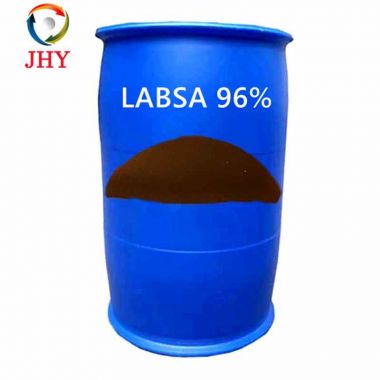
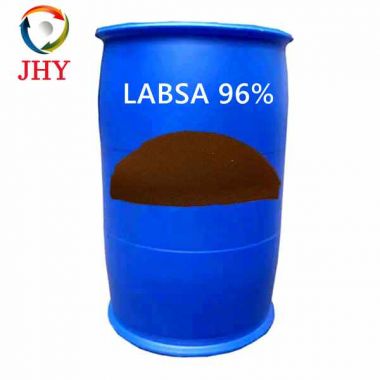
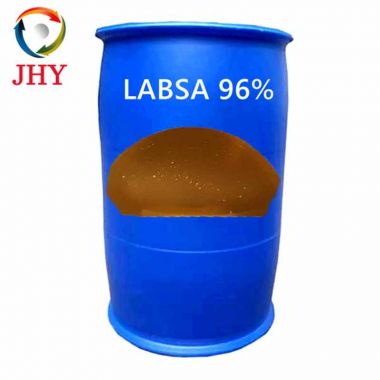
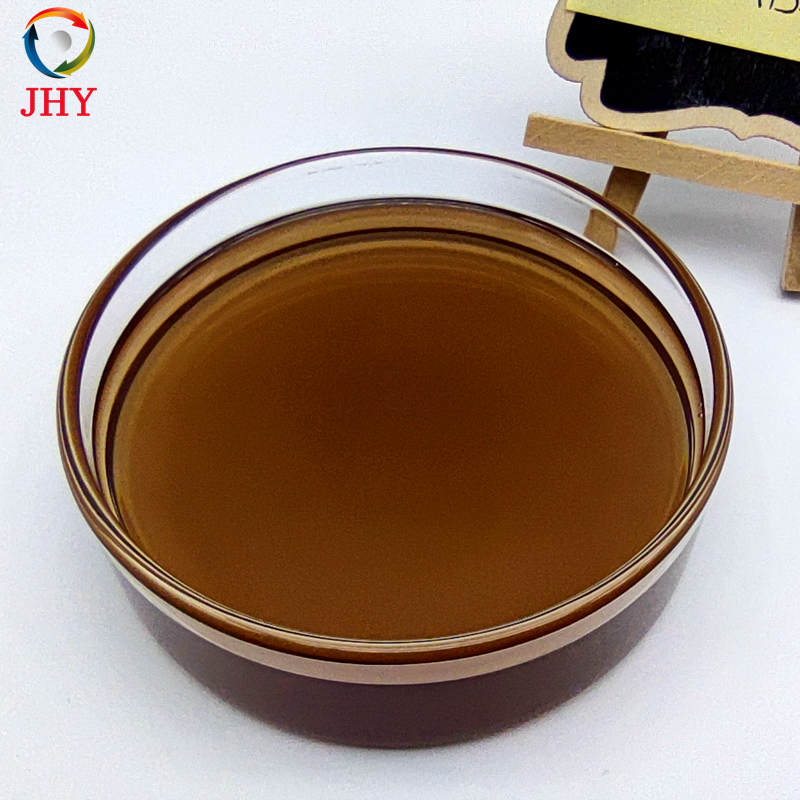
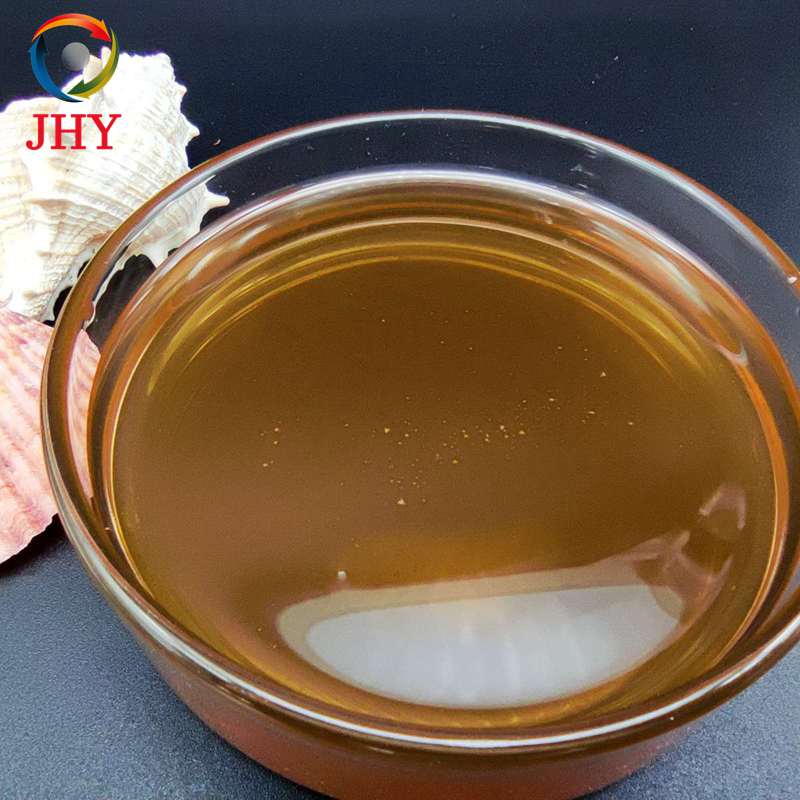
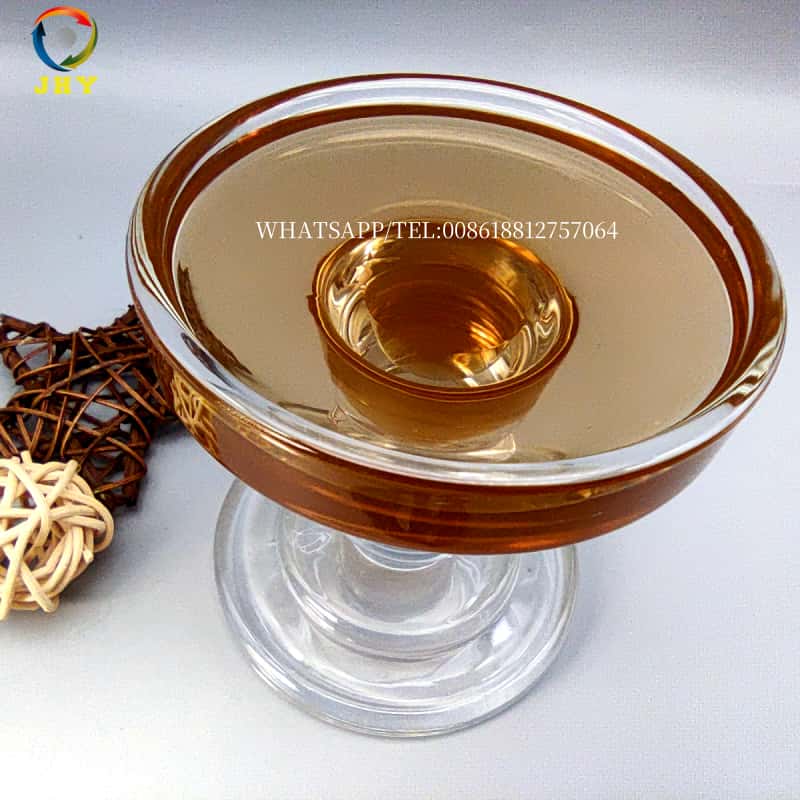
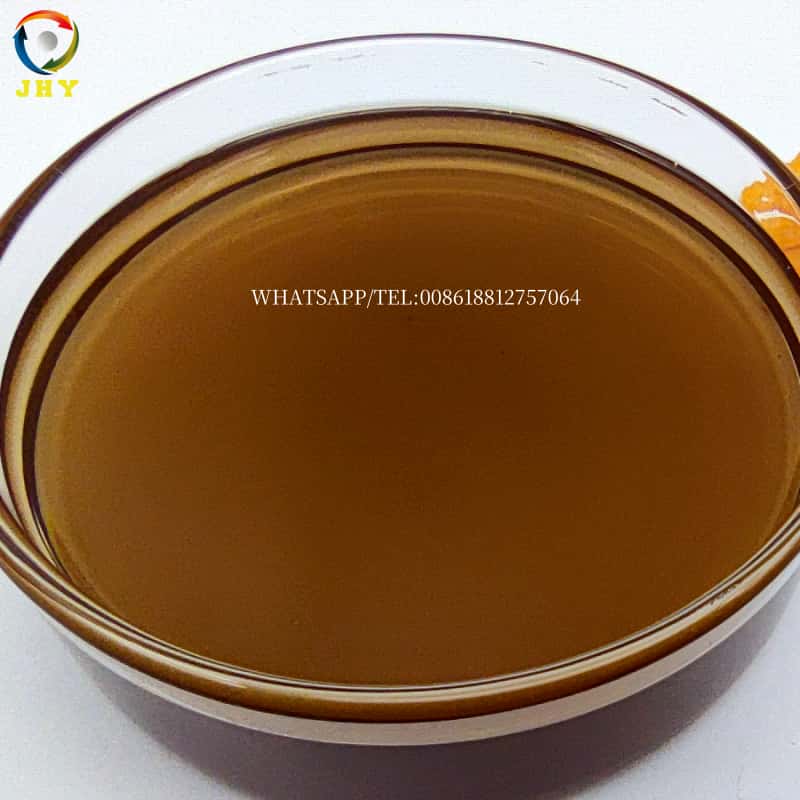
Dodecyl benzene sulfonic acid labsa 96 18% Main surfactant, providing initial detergency and hard water tolerance
Citric acid 3% Forms a proton transfer complex with LABSA to reduce the system viscosity to <500cP (traditional formula>2000cP)
Fatty alcohol polyoxyethylene ether (AEO-9) 5% Acid-stable nonionic surfactant, synergistic with LABSA to solubilize oil
Phase B (neutralization trigger phase)
Sodium hydroxide (50% aqueous solution) 8.5% Gradient neutralization of LABSA to pH=7.0±0.5
Sodium lauroyl sarcosinate 4% After neutralization, it forms worm-like micelles (aspect ratio>100) with LABSA sodium salt to enhance the ability to suspend dirt
Phase C (acid response functional phase)
pH-sensitive microencapsulated fragrance 0.8% Neutralization endpoint rupture release (avoiding volatile loss in acidic environment)
Sodium benzoate/hexanediol 0.5%/1.0% Activate the preservative effect after neutralization (inactivation of antibacterial agent under acidic conditions)
Performance advantage comparison (difference from traditional sulfonate formula)
Indicator This formula Conventional LABSA sodium salt formula
Cotton cloth carbon black oil removal rate 98.5% (40℃) 92.1% (40℃)
Hard water adaptability (CaCO₃) Stable to 800ppm Precipitation (>300ppm)
Low temperature (10℃) stability No crystallization/stratification (12 months) Sulfonate crystallization (after 2 months)
Energy consumption Neutralization temperature↓15℃ High temperature reaction required
Technical notes:
Dodecyl benzene sulfonic acid labsa 96 acid value control: acid value ≥218mg is required KOH/g (theoretical value 220), too low indicates high disulfonic acid content, which can easily lead to product turbidity;
Dynamic viscosity management: Use citric acid to interrupt the LABSA hydrogen bond network and avoid adding thickeners (such as sodium chloride);
Environmental protection: There is no phosphate or EDTA in the formula, and calcium soap dispersion (LSDP=8) is achieved through LABSA/citric acid compound.
This solution achieves performance breakthroughs and cost optimization (reducing the amount of enzyme preparation by 30%) by accurately utilizing the 96% free acid characteristics of dodecyl benzene sulfonic acid labsa 96. The production process needs to be equipped with high shear dispersion equipment (≥5000rpm) to ensure uniform dispersion of microcapsules.
Tianjin Jiahengyuan Chemicals Co.,Limited
Add:NO.1023, 10F, BLDG B, JUNJING SQUARE, HANGYUN 1ST ROAD, TEDA, TIANJIN, CHINA
Tel:+86-22-66863746 Fax:+86-66863746-608
Mobile Phone:+86-18812757064
E-mail: sles@jiahengyuanchem.com